Anhua
Steamed tea leaves stomped into dense hundred-pound cylinders, bound in bamboo mesh and palm bark to endure horse caravans across mountain passes.
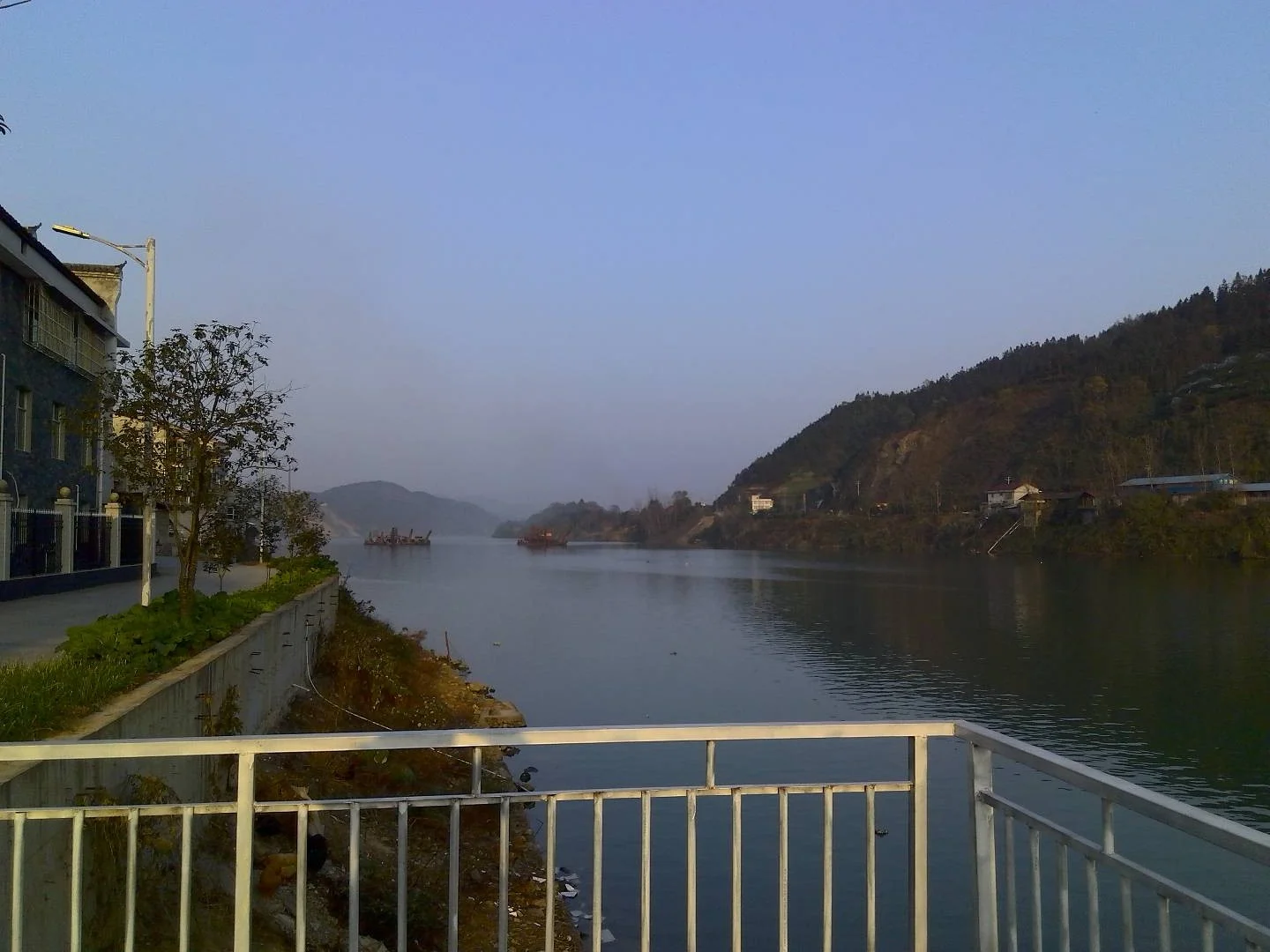
The Zi River carves through the wild gorges of the Xuefeng Mountains, establishing Anhua as a historic cradle of the Tea Horse Road. Tea gardens flourish across mineral-rich soils weathered from ancient moraine rocks, supplying brick tea to frontier traders since the Tang and Song dynasties. From giant thousand-liang cylinders stomped by teams of barefoot tea masters to fermented brick tea flecked with golden-flower fungi, Anhua embodies the most enduring and rugged dark tea tradition in China.
What to see
The Zi River banks preserve historic wooden covered bridges like the Yongxi Bridge; the Tea Horse Road through Guanshan Gorge reveals polished slate trails and timber watchposts; century-old distilleries and workshops showcase traditional tea pressing and aging yards.
What to eat
Mornings begin with bowls of hot pounded leicha: tea leaves, toasted peanuts, sesame, and ginger crushed in clay mortars and whisked with boiling water; paired with river-caught sweetfish, wild winter bamboo shoots stir-fried with cured pork, and spiced tea-marinated belly.
Getting here & around
Anhua Railway Station and Yiyang South High-Speed Station connect to regional lines; frequent express buses and scenic highways link from Changsha in two and a half hours; hiring a local car is best for accessing remote mountain tea plantations.
Choose a neighbourhood
Each area offers a different side of the city. Pick one to explore at your own pace.
Dongshi Old Street & The Tea Horse Trail
The mountain staging post of the historic tea corridor: flagstone lanes flanked by Ming-Qing timber shopfronts, pack-horse inns, and black-smithies where iron horse-shoes wore deep ruts into stone.
Hiking ancient caravan trails, hearing border merchant lore, and sipping aged dark tea in wooden tea houses.
Yongxi Bridge & Zi River Covered Bridges
The most magnificent covered timber bridge along the Zi River, spanning over a hundred metres with multi-eaved tiled roofs, interior wooden benches, and river god shrines.
Inspecting traditional mortise carpentry, relaxing along wooden river balustrades, and enjoying pastoral quietude.
Baishaxi Heritage Tea Works & Plantations
The historic birthplace of standardized dark tea cakes: old riverside warehouses stacking thousands of cured tea cylinders, backed by stepped mountain gardens cloaked in mist.
Observing athletic thousand-liang tea pressing, inspecting Eurotium cristatum golden flowers under magnifying loupes, and vintage tea tasting.
The Thousand-Liang Pillar
Pressing an Anhua thousand-liang tea log is an athletic ritual. Layers of broad bamboo leaves and palm bark line a cylindrical woven bamboo lattice into which steaming fermented tea leaves are shoveled. Teams of strong men straddle two-meter timber levers, stomping and chanting in rhythmic cadence to compress the leaves with crushing force while master binders twist iron wires. Left on sun-drenched curing racks to breathe through fifty cycles of sun and night dew, the solid column cures into impervious dark timber, safe from rain across thousands of mountain miles.
The Armor of Bamboo and Palm
That tea could cross deserts and frozen steppes without spoiling is due to Anhua's three-layered natural armor. The outermost layer uses split moso bamboo weave, resilient against saddle abrasion; the middle layer harnesses coarse mountain palm bark fibers that shed driving rain; the interior is lined with broad aromatic reed leaves preventing dust while imparting wild forest perfume. This triple casing breathes naturally with plateau air, allowing internal enzymes to deepen into rich amber notes over decades.
Covered Bridges Over the Torrent
Along the turbulent shallows of the Zi River stand magnificent wooden covered bridges. Yongxi Bridge spans deep rock pools with diamond-shaped cutwater stone piers designed to deflect driftwood and torrents. Overhead, cedar carpentry joins mortise-and-tenon timbers without nails, sheltering a long public corridor under heavy slate tiles. Flanked by deep viewing benches, travelers and tea-porters rested their weary loads, boiling complimentary herbal tea while storms roared below.