Changsha
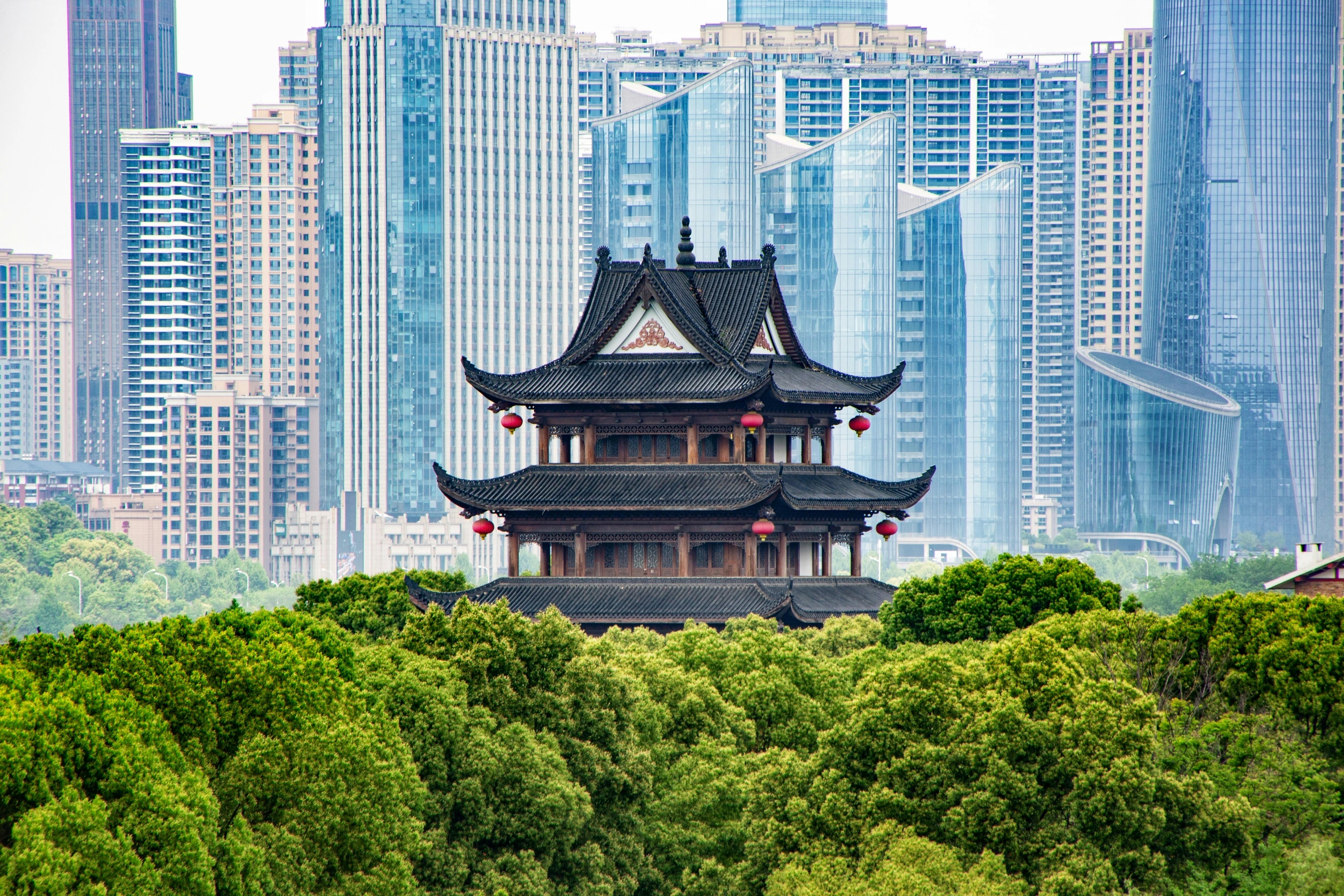
The Xiang River flows north through the metropolis; in heritage lanes beneath Tianxin Pavilion, woks fire whole chilies into hot lard, sizzling through the night.
The Xiang River cuts northward through Changsha, bordered on the west by the forested slopes of Yuelu Mountain and on the east by the sleepless, neon-lit alleys of Chaozong Street and Pozi Street. From the Western Han silk and lacquer treasures of Mawangdui to the quiet pine courtyards of Yuelu Academy, Changsha radiates both intellectual resilience and an exuberant street food culture fueled by fiery fresh peppers.
What to see
Yuelu Mountain shelters Yuelu Academy, founded in the Northern Song dynasty, alongside Aiwan Pavilion amid deep autumn maples; Hunan Museum presents Western Han textiles, lacquerware, and tomb treasures; Taiping and Chaozong streets preserve granite-paved lanes and republican courtyard residences.
What to eat
Hunan culinary identity centers on fresh, searing chili heat: green and red bird's eye chilies flash-fried in smoking lard with slivered pork; jet-black fermented stinky tofu deep-fried until crisp and punctured to absorb spicy garlic broth; breakfast brings wide, silky flat rice noodles in pork bone soup.
Getting here & around
Changsha Huanghua International Airport connects via maglev train to Changsha South High-Speed Station; multiple metro lines run beneath the Xiang River directly to Yuelu Mountain and Orange Isle; historic alley quarters are best traversed on foot.
Choose a neighbourhood
Each area offers a different side of the city. Pick one to explore at your own pace.
Yuelu Mountain & Yuelu Academy
The cultural landmark rising west of the Xiang River, where Song-era academies sit among ancient ginkgoes, Aiwan Pavilion glows with maple leaves, and ridge viewpoints overlook Orange Isle.
Visiting the millennium-old academy grounds, hiking stone paths to historic pavilions, and taking in panoramic river vistas.
Chaozong Street & Taiping Heritage Quarter
The best-preserved historic quarter of Changsha, featuring granite-slab lanes, Republican villas, Jiuru Lane courtyards, teahouses, and buzzing street markets.
Walking ancient stone street paving, discovering republican villas, and grazing on street snacks.
Hunan Museum & Martyrs Park
The cultural haven north of the city centre, housing the world-famous Western Han burial artefacts from Mawangdui, including polychrome silks and intact cloud-pattern lacquers.
Examining ancient Han dynasty craftsmanship and relaxing under shaded willow avenues around the lake.
The Heat of the Fresh Pepper
Chilies in Changsha are never mere background garnish. Morning vegetable markets pile crates of curly screw peppers, fiery bird's eye chilies, and plump red capsicums. Cooks heat seasoned iron woks with cold-pressed rapeseed oil, pounding whole green peppers against the curved metal with broad spatulas to blister the skin and release smoky pungency. Tossed with fermented black beans, smashed garlic, and pork slivers, the stir-fry delivers a vivid heat that demands another bowl of rice.
Flat Rice Noodles in Pork Bone Broth
Mornings in Changsha awaken with a steaming bowl of rice noodles. Locals favor broad flat noodles (bianfen), made from aged indica rice steamed into thin sheets and hand-sliced into finger-wide ribbons that tenderly soak up broth. Simmering stockpots yield golden soup boiled down from pork marrow bones and chicken. Plunged briefly into boiling water, the noodles enter the bowl bathed in fragrant soup, topped with braised beef brisket or dry-fried pork, with pickled sour beans and fried cracklings ladled freely at the counter.
Cinnabar Lacquer of Mawangdui
Inside the dimly lit galleries of the Hunan Museum, Western Han lacquer boxes, winged ear-cups, and painted trays gleam with timeless luster. Artisans collected natural tree sap, painstakingly lacquering and polishing cured wood bases over dozens of layers before painting flowing cloud spirits and mythical beasts in cinnabar red and mineral black. Lightweight yet impervious to decay, these objects preserved their mirrored brilliance over two millennia beneath yellow clay.