Liuzhou
The clear Liujiang River loops like green jade around the city, fermented bamboo shoots boil in spicy snail broth, and karst crags frame industrial manufacturing.
Liuzhou rests within a karst basin in central Guangxi, where the clear Liujiang River carves a dramatic horseshoe bend embracing the old city like a pot. Governed in the Tang dynasty by poet-philosopher Liu Zongyuan, the city balances ancient scholar monuments with modern manufacturing, producing Wuling automobiles and heavy excavators beneath sheer limestone spires. The culinary soul of the city belongs to Luosifen—rice noodles bathed in dark broth slow-simmered from river snails and pork bones, layered with naturally fermented sour bamboo shoots and fiery chili oil.
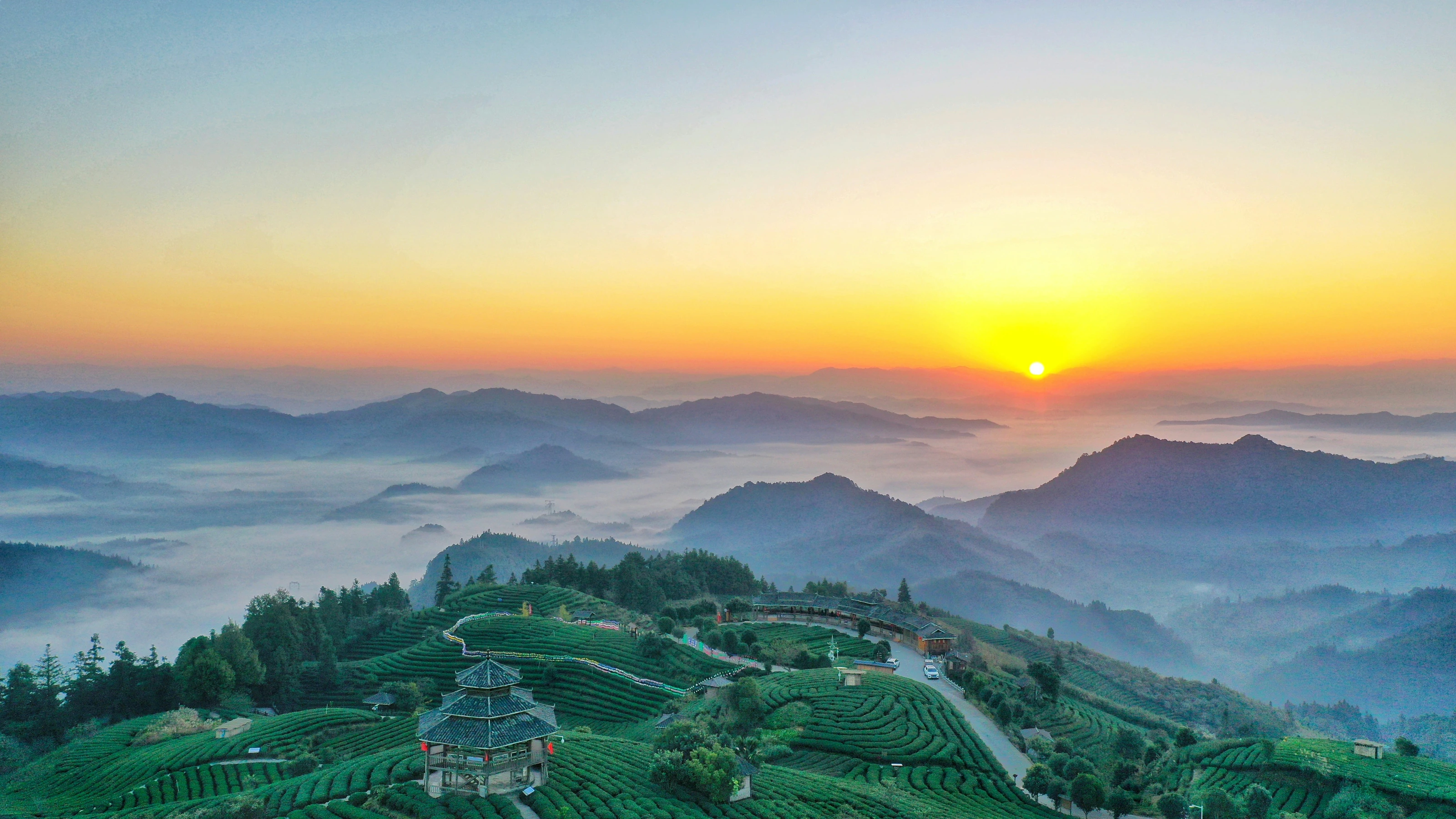
What to see
Liuhou Park and Temple commemorate Tang poet-governor Liu Zongyuan among century-old banyan canopies; Ma'an Mountain offers panoramic views over the river loop encircling the city; Hundred-Mile Liujiang River cruises pass illuminated karst bluffs and waterfalls; the Industrial Museum traces a century of machinery manufacturing; Dalongtan Scenic Area displays emerald karst lakes surrounded by twenty-four limestone peaks.
What to eat
Liuzhou luosifen rice noodles simmer local freshwater snails with pork marrow bones and aromatic spices into a dark broth, topped with sour fermented bamboo shoots, fried tofu skin, peanuts, and chili oil; snail and duck paw casserole slow-braises blistered duck feet and snails until tender and gelatinous; wok-fried river snails are perfumed with fresh perilla herb; suanye pickles toss green mango and pineapple in chili sugar; beef offal hotpots are served with sand ginger dipping sauce.
Getting here & around
Liuzhou Station serves as an essential hub on the Hunan-Guangxi railway network, linking to Guilin in forty minutes and Nanning in one hour via high-speed rail. Liuzhou Bailian Airport operates flights to major national cities. Water buses travel along the scenic river loop for just a few yuan.
Choose a neighbourhood
Each area offers a different side of the city. Pick one to explore at your own pace.
Ma'an Mountain, Liujiang Loop & Yaobu Town
The scenic heart of Liuzhou, where limestone cliffs tower above the river loop and Yaobu Historic Town lines the waterfront.
Climbing Ma'an Mountain at dusk to view the horseshoe bend of the river and dining on clay-pot duck paws at night markets.
Liuhou Temple & Historic City Waterfront
A tranquil memorial park dedicated to Tang dynasty governor Liu Zongyuan, shaded by banyans and containing ancient stone stelae.
Examining historic calligraphy rubbings inside ancient halls and savoring osmanthus tea beside reflecting lotus ponds.
Liuzhou Industrial Museum & Wuling Plant
A cultural zone preserving vintage steam locomotives, machine tools, and modern automated vehicle assembly lines.
Discovering the industrial history of southern China and learning how Luosifen transformed into a global culinary phenomenon.
Hundred-Mile Liujiang River Loop and Towering Karst Spires
Gazing down from the observation summit of Ma'an Mountain, Liuzhou unfolds in a magnificent geological spectacle. Emerging from northern Guangxi, the clear Liujiang River enters the city basin, carved by karst fault lines into an almost complete horseshoe meander that cradles the old city. The waters remain emerald-green throughout the seasons. Across both shores of the peninsula, isolated karst limestone towers like Ma'an, Yufeng, and Panlong rise straight out of flat ground. At dusk, architectural illumination and mountain waterfalls reflect across the water, blending prehistoric geology with urban vitality.
Fermented Bamboo Shoots, River Snails, and Fiery Broth
At nightfall across Liuzhou's avenues, the unmistakable tangy aroma of Luosifen announces the opening of noodle stalls. The soul of this dish relies on two pillars: sour bamboo shoots and slow-simmered river snail broth. Local spring bamboo shoots are submerged in mountain spring water inside earthen crocks, fermenting under natural lactic cultures for months into crisp, pungent yellow strips. The broth boils freshwater snails with pork marrow bones and two dozen herbs for eight hours until the minerals and umami dissolve into deep amber soup. Poured over round rice noodles and crowned with fried tofu skin, peanuts, and chili oil, each mouthful delivers a burst of acidity and spice.
Wuling Automotive Manufacturing and Southern Heavy Industry
While karst mountains usually evoke pastoral retreats, Liuzhou thrives as an industrial powerhouse nestled among peaks. Ranking as southern China's leading manufacturing base, the city's factories trace their lineage back to early twentieth-century arsenals. Transforming from tractor workshops during the mid-twentieth century, local plants pioneered compact commercial minivans and heavy loaders that mobilized rural China. Inside modern smart plants, robotic welding arms assemble new-energy vehicles every minute amidst flying sparks. Liuzhou balances the literary legacy of Tang scholar Liu Zongyuan with the gritty resilience of precision metallurgy.