Nanchang
Tengwang Pavilion stands over the Gan River watching sunset mists, morning stalls mix sesame oil rice vermicelli with slow-simmered earthen soup jars, and camphor trees shade historic Gan compounds.
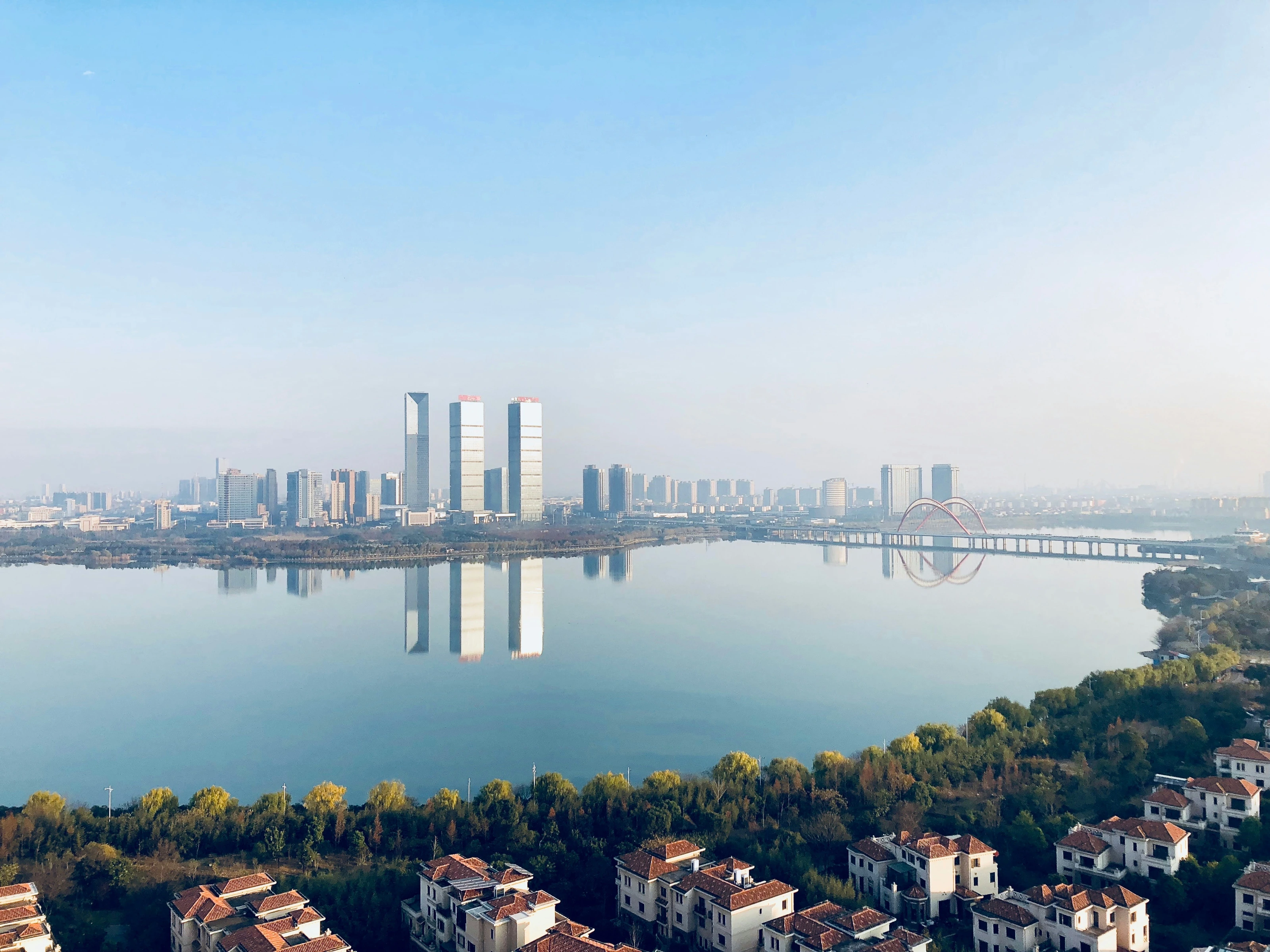
Nanchang presides over the fertile Ganfu Plain where the Gan River flows north into Poyang Lake, China's largest freshwater expanse. Immortalized by Tang poet Wang Bo in his famous preface to Tengwang Pavilion, the city balances ancient riverfront monuments with bustling urban life. The culinary day begins at dawn with Nanchang banfen—chewy rice vermicelli tossed with pure sesame oil, pickled radish, crispy peanuts, and bird's eye chilis—paired with earthenware jars of herbal soup simmered overnight inside colossal clay urns over glowing charcoal embers.
What to see
The Pavilion of Prince Teng rises above the Gan River with multi-eaved halls celebrating classical poetry; Bada Shanren Memorial at Qingyunpu displays ink paintings of master monk Zhu Da amidst ancient lotus ponds; the August 1st Nanchang Uprising Museum commemorates modern history; Anyi Ancient Village Cluster preserves Ming-Qing cobblestone lanes and carved timber mansions; Haihunhou Archaeological Park displays thousands of gold coins and bronze artifacts from the Western Han dynasty.
What to eat
Nanchang banfen noodles toss chilled rice vermicelli with pure sesame oil, soy sauce, garlic, preserved radish, fried peanuts, and bird's eye chili relish; earthen jar soup simmers minced pork patties, spare ribs, and spring water inside miniature clay pots stacked inside giant charcoal vats for seven hours; beer braised duck slow-braises duck meat in local beer and chili paste; wild Poyang Lake artemisia greens are wok-fried with cured bacon; crispy fried sugar cakes dusting sweet rice dough rings with fine sugar.
Getting here & around
Nanchang and Nanchang West stations provide high-speed connections along the Shanghai-Kunming and Beijing-Kowloon lines, reaching Changsha in eighty minutes and Hangzhou in two and a half hours. Nanchang Changbei International Airport serves national and regional routes. Subway lines connect Tengwang Pavilion and Bayi Square directly.
Choose a neighbourhood
Each area offers a different side of the city. Pick one to explore at your own pace.
Pavilion of Prince Teng & Gan River Esplanade
The monumental landmark of classical Chinese poetry rising above the Gan River with sweeping views across urban waterways.
Climbing to the topmost pavilion terrace to watch the sunset over the Gan River and viewing the illuminated skyline from the promenade.
Bada Shanren Memorial & Meihu Lake
The tranquil Daoist compound where seventeenth-century master ink painter Zhu Da lived and painted amidst lotus ponds and dawn redwoods.
Contemplating the sparse, expressive master ink scrolls of Bada Shanren and walking along quiet lakeside galleries.
Anyi Ancient Village Cluster & Clan Estates
A well-preserved enclave of traditional Gan-style residences, stone-paved lanes, and three-courtyard family mansions.
Walking ancient cobblestone alleys shaded by thousand-year-old camphor trees and examining carved stone gatehouses.
Pavilion of Prince Teng and Classical Poetry over the Gan
Standing along the exterior gallery of the fifth tier of the Pavilion of Prince Teng, the Gan River flows north toward Poyang Lake. In the autumn of 675 CE, twenty-six-year-old poet Wang Bo authored his famous preface here. Reaching sixty meters tall under emerald glazed tiles, its timber brackets display imperial gold tracery painting, embodying the optimism of high Tang architecture. Looking west over rolling hills as dusk descends, evening mist turns the water crimson while wild cranes fly along the horizon, bringing the classic Tang verses to vivid life.
Nanchang Tossed Vermicelli and Charcoal-Simmered Soup Pots
By six-thirty in the morning, lines snake around neighborhood breakfast stalls across Nanchang. The city's morning ritual consists of 'one jar and one bowl.' Rice vermicelli extruded from late-harvest indica rice is blanched in boiling water before being tossed in deep bowls. Cooks add pure roasted sesame oil, soy sauce, minced garlic, chopped bird's eye chilis, crunchy salted radish cubes, and roasted peanuts. Guests toss the noodles with chopsticks until every strand glistens with savory chili oil. Alongside stands a person-tall clay vat holding charcoal embers and hundreds of miniature earthenware jars. Simmered for seven hours, the clear pork and chicken broths provide rich comfort against the noodles' fiery heat.
Anyi Ancient Villages and Nine-Courtyard Gan Mansions
Traveling northwest from Nanchang into Anyi county, three contiguous villages (Luotian, Shuinan, and Jingtai) date back twelve centuries beneath camphor groves. Vernacular Gan architecture combines flood defenses, natural interior illumination, and clan layout. Inside the Shidafadi mansion, three successive courtyards integrate nine skywells (tianjing) that illuminate deep interior halls. During heavy summer downpours, water cascades from sweeping roofs into stone catchment basins, draining through underground sewers according to 'four waters returning to the hall' geomantic principles. Carved timber lintels preserve the dignity of scholar-farming clans.