Sanya
Coconut groves line sweeping coastal bays at sunset, while Tanka boatmen secure wild mud crabs and grouper to floating timber fish rafts.
Resting at the southern tip of Hainan Island facing the open waters of the South China Sea, Sanya enjoys tropical maritime conditions shaped by warm equatorial currents. Sanya Bay, Yalong Bay, and Haitang Bay curve along the shoreline, where fine quartz sands and coconut palms define a tropical seascape. Historically a distant outpost of Yazhou Prefecture and an ancient port of refuge along the Maritime Silk Road, the Tanka sea-nomads still live on anchored floating wooden rafts across the sheltered lagoons; in evening seafood stalls, pots of zaopocu—naturally fermented rice wine lees—bubble with freshly caught grouper and scallops, translating ocean bounty into bright, tangy warmth.
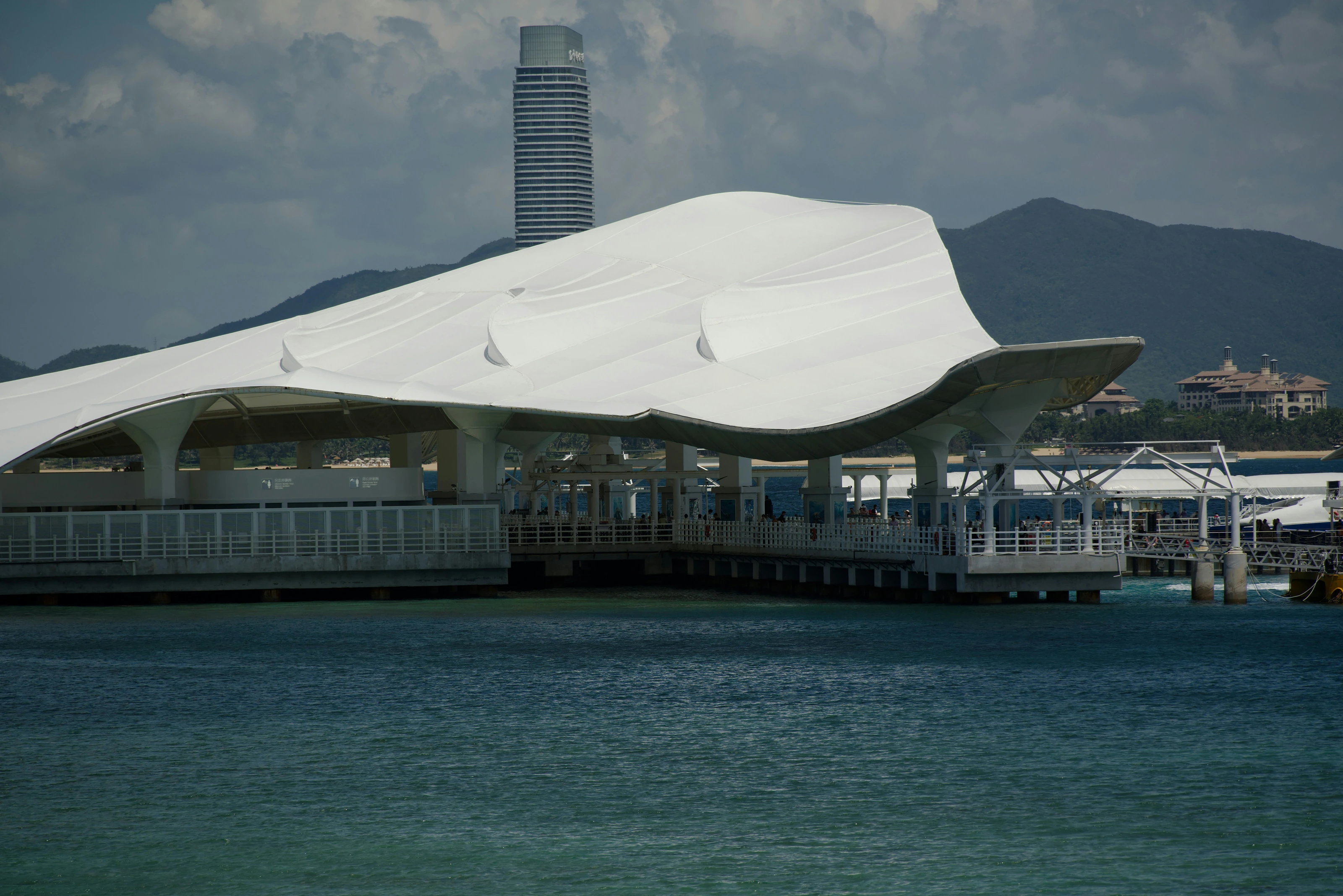
What to see
Tianya Haijiao and Luhuitou Park feature granite coastal boulders battered by ocean surf, offering sweeping panoramas of Sanya Bay; Yalong Bay boasts white sand and offshore fringing coral reefs; the colossal Guanyin of Nanshan bronze statue rises from the sea beside the mountainside Nanshan Temple; West Island preserves historic stone fishermen homes built with calcified coral blocks and coastal boardwalks.
What to eat
Zaopocu seafood hotpot utilizes secondary fermented rice lees from Hainan rice winemaking to create an aromatic sour broth, boiling local sea fish, prawns, and sea vegetables; Wenchang poached chicken features yellow-skinned chicken served with sour calamansi citrus dip; Baoluo rice noodles are drenched in rich beef broth with peanuts and pickled bamboo shoots; qingbuliang combines chilled coconut milk, red beans, barley, and sweet melon for tropical refreshment.
Getting here & around
Sanya Phoenix International Airport connects domestic and international destinations, directly integrated with the Sanya Phoenix Airport station on the Hainan Island Ring High-Speed Railway; Sanya and Yalong Bay stations link directly to the provincial capital Haikou in under two hours; coastal tourist shuttle buses and local taxis provide transit along the shoreline.
Tanka Floating Rafts and Water Settlements
In the sheltered waters of Sanya and adjacent Xincun Harbour, floating wooden platforms constructed by the Tanka people extend for miles across the lagoon. Historically forbidden from owning land or building houses on shore, the Tanka adapted by living entirely at sea. They assemble timber grids buoyed by airtight drums, constructing single-room wooden huts upon the central platform, connected to neighbours by floating catwalks. Underwater nylon net enclosures suspend beneath each dwelling to cultivate green mud crabs, spiny sea snails, and reef fish, with small motorized skiffs tied to the front thresholds. Moored to the sea floor by four corner iron anchors and heavy hemp cables, the entire settlement rises and falls effortlessly with the tides. Ocean currents pass directly beneath the floorboards, integrating domestic routine with marine cycles.
Fermented Zaopocu and Oceanic Salinity
As twilight blankets the coast, open-air diners fill with the pungent, yeasty aroma of fermented rice lees. Zaopocu originated from northern Hainan distillers who gathered leftover fermented grains, sealing them in earthenware crocks where natural lactic acid bacteria thrived in the tropical warmth, producing a clear, straw-coloured sour broth. Cooked in table hotpots with crushed yellow mountain chillies, garlic, and oil, the soup releases sharp, mouthwatering aromatics. Live flower snails, ocean prawns, squid, and sea greens drop into the broth, where gentle organic acids tenderize marine proteins, releasing sweetness while eliminating fishy oils. Dipping poached seafood into fresh calamansi juice and drinking bowls of the tangy broth stimulates perspiration, providing natural cooling in tropical heat.
Fringing Coral Reefs and Bay Wave Dissipation
The survival of Sanya's calm sandy beaches and transparent water is credited directly to offshore coral hydrology. Along the outer fringes of Yalong and Haitang bays, extensive colonies of hermatypic stony corals have built broad, submerged limestone platforms over millennia. When heavy typhoon swells sweep across the South China Sea, these shallow barrier reefs force incoming waves to break offshore, dissipating up to eighty percent of wave energy before it reaches the sand. Near the Sanya River mouth, intertidal mangrove wetlands work alongside stone floodgates to trap terrestrial silt and clarify coastal runoff. Stony corals and estuarine mangroves operate as an integrated aquatic buffer, safeguarding the coastal ecosystem.