Xiamen
Sea breezes sweep through arcaded verandas, where white porcelain fairness pitchers on low square tables rise with fragrant Tieguanyin steam.
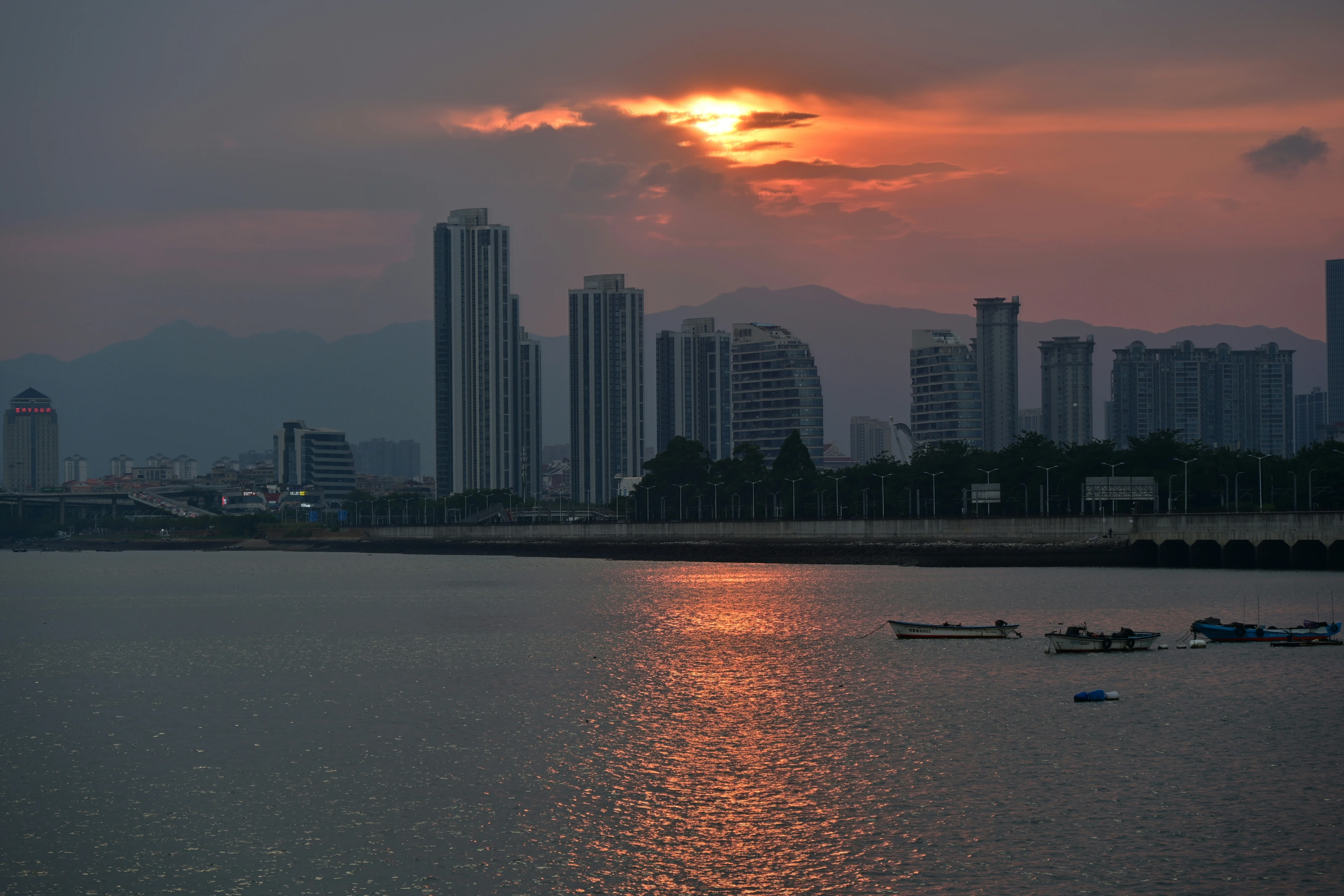
Sheltered by calm coastal bays, Xiamen Island has long served as a maritime nexus for the Maritime Silk Road and overseas merchant networks, while preserving an unhurried Minnan domestic tempo. Across the granite bluffs of Gulangyu stand eclectic historic villas and arcaded colonial estates; under the covered verandas of the old town, shopkeepers set out Gongfu tea sets on low tables, steeping Anxi Tieguanyin as sea breezes carry orchid aromas through stone alleys. Between the historic drydocks of Shapowei and lively night food stalls, ocean salinity and neighborhood warmth remain closely bound across generations.
What to see
The Gulangyu Historic International Settlement features over nine hundred preserved residences, including the Bagua Mansion and Shuzhuang Garden; Shapowei Typhoon Shelter preserves historic granite quays and fishing craft moorings; South Putuo Temple nestles against the Wulao Peaks facing the open harbour; the historic campuses of Xiamen University blend Jiageng-style upturned tile roofs with classical Western colonnades.
What to eat
Satay noodle soup combines rich broth brewed with dried shrimp and ground peanuts over freshly cooked noodles and oysters; oyster omelets fry local shellfish in sweet potato starch batter until crispy and tender; Tong'an braised pork wraps seasoned pork belly and chestnuts in gauze for slow simmering; sweet peanut soup simmers until soft, creamy, and warm.
Getting here & around
Xiamen Railway Station serves the island center, while Xiamen North links the Fuzhou-Xiamen high-speed corridor to Shenzhen and Shanghai; Xiamen Gaoqi International Airport operates extensive national and regional routes; regular passenger ferries to Gulangyu depart from the Cruise Center and First Pier; dedicated bus rapid transit corridors and underground metro lines link all primary hubs.
Gulangyu's Historic Verandas
Stepping off the ferry onto Gulangyu, motorized vehicles are absent, and the winding flagstone lanes meander under the heavy shade of banyan and acacia trees. Following the island's opening as a treaty port in the mid-nineteenth century, returning overseas merchants and foreign consuls drew on local resources, hewing dense island granite for massive foundation plinths and combining locally fired red bricks with classical Corinthian colonnades to construct typhoon-resistant veranda villas. Behind heavy rosewood doors, high-ceilinged corridors display terrazzo mosaics or imported encaustic floor tiles, while deep shaded loggias feature movable green louvred timber shutters that soften the midday tropical sun while drawing in cross-ventilating sea breezes. From the copper dome of Bagua Mansion to seaside rockeries at Shuzhuang Garden, Eastern and Western architectural vernaculars found uncommon harmony among the island's stone slopes.
Gongfu Tea Under the Verandas
Walking beneath the shaded arcades of Siming South Road and Zhongshan Road, nearly every storefront, dry goods counter, and repair stall keeps a low wooden tea table ready. In Minnan, sharing tea is an ingrained daily rhythm rather than an occasional ceremony. Boiling water bubbles in clay or electric kettles; the host fills half the porcelain gaiwan with dried Anxi Tieguanyin oolong, pours boiling water from high above to awaken the leaves, skims the foam with the porcelain lid, decants the liquor through a fairness pitcher, and fills three small white ceramic cups nestled together. The tea liquor runs clear amber, releasing a sustained wild orchid bouquet. Conversations pause and resume with each fresh pour, taken in small, reflective sips. This unhurried table ritual dissolves urban anxiety into porcelain cups of warm, honeyed tea.
Shapowei's Historic Haven
Shapowei served as Xiamen's earliest natural typhoon shelter, named after the sandy spit where fishing fleets took refuge from coastal squalls. Curved granite sea walls cradle the inlet, where wooden craft laden with wild prawns, coastal oysters, and beltfish once docked at high tide, tying thick hemp ropes to stone mooring posts to sell their catch directly along the quay steps. At low tide, the basin dries to reveal dark silt and stone slipways. Stalls near the water fire roaring gas burners, flash-frying fresh sea oysters with duck eggs and scallions until fragrant and crisp, while large cauldrons bubble with satay broth compounded from crushed dried prawns, ground flounder, and roasted peanuts. Shapowei's stone embankments guarded seafaring smacks for centuries, preserving the authentic oceanic salinity of Minnan culinary heritage.