Yaan
Mountain showers nurture misty Mengding green tea, crystal river currents yield succulent Ya fish, and ancient tea horse caravans crossed snow mountains.
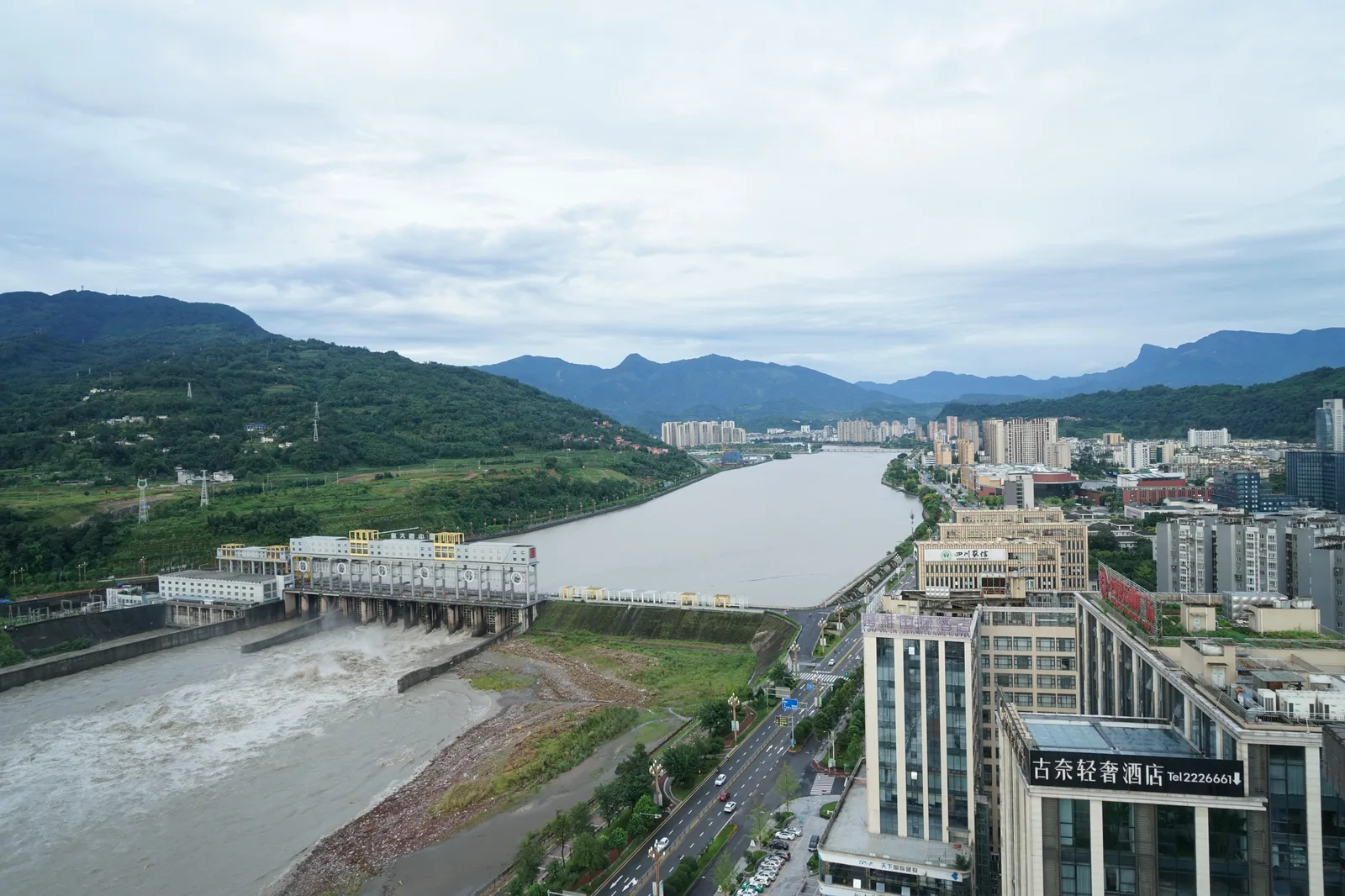
Ya'an guards the sharp tectonic rise where the western rim of the Sichuan Basin meets the high Tibetan Plateau, cradling the Qingyi River within steep gorges. Positioned against the Huaxi Rain Screen, the city experiences over two hundred days of gentle rain annually, earning the moniker 'Rain City.' Constant mountain mist nourishes Mount Mengding, where cultivation of tea trees began during the Han dynasty, creating the cradle of world tea culture. From here, tea porters carried heavy compressed brick tea across high passes along the Sichuan-Tibet Tea Horse Road, while the cold currents of the Qingyi River nurture Ya fish.
What to see
Mount Mengding National Park preserves the Imperial Tea Garden and Ganlu Temple commemorating the dawn of tea agriculture; Bifeng Gorge showcases vertical waterfall canyons and the giant panda research base; Shangli Ancient Town lines rushing streams with Ming-Qing stone bridges and memorial arches; Laba River Nature Reserve features wild sambar deer and alpine autumn foliage; Niubei Mountain provides panoramic views of Mount Gongga.
What to eat
Clay pot Ya fish slow-simmers cold-water river fish in mountain spring broth with chicken stock and bamboo shoots, yielding a milky, collagen-rich soup where a sword-shaped bone rests in the fish's skull; Tatamian noodles slap and stretch fresh wheat dough against wooden boards for elastic chew in spicy beef broth; Yingjing clay pots retain simmering heat; wild mountain beef hotpots offer earthy depth; Mengding Ganlu green tea unfurls emerald shoots with lingering sweetness.
Getting here & around
The Chengdu-Ya'an Railway serves Ya'an Station, connecting to Chengdu West Station in one hour via frequent high-speed trains. As a key gateway on National Highway 318 to Tibet, Ya'an serves as an outfitting center for travelers. Local buses link the station to Bifengxia and Mount Mengding directly.
Choose a neighbourhood
Each area offers a different side of the city. Pick one to explore at your own pace.
Mount Mengding Tea Sanctuary & Imperial Garden
The historical cradle of tea agriculture where five mountain crests remain enveloped in cool fog, home to ancient tea bushes and stone paths.
Visiting the legendary site where seven wild tea bushes were cultivated in the Han dynasty, and tasting spring-harvested Mengding Huangya oolong.
Bifeng Gorge Waterfalls & Panda Sanctuary
A vertical sandstone gorge lined with roaring cascades, dense bamboo forests, and the Bifengxia Giant Panda Base.
Hiking descending cliff boardwalks beneath misty canyon waterfalls and observing giant pandas in natural highland bamboo enclosures.
Shangli Ancient Town & River Crossroads
A historic waystation along the Tea Horse Road where two clear rivers meet, bridged by Ming-Qing stone spans and wooden river stilt homes.
Crossing carved Qing stone arches, strolling cobblestone alleys, and watching clear stream waters rush past riverside teahouses.
Mount Mengding Tea Cradle and Imperial Huangya Oolongs
Ascending Mount Mengding at dawn, ribbons of white cloud cling to its five summits. Facing prevailing monsoon currents, the mountain traps moist air to create perpetual mist and diffused sunlight. In 53 BCE during the Western Han dynasty, Buddhist master Wu Lizhen transplanted seven wild tea bushes onto the highest peak, initiating recorded tea horticulture. By the Tang dynasty, Mengding tea was designated an imperial tributary tea, a status maintained for twelve centuries. Gathered before Qingming, tender single buds undergo deliberate yellowing and charcoal firing to yield Mengding Huangya. Infused in hot water, the buds stand upright in porcelain cups.
The Huaxi Rain Screen and Sword-Headed Ya Fish Casseroles
Folklore in Ya'an speaks of the 'Leaky Sky of Western Shu.' Summer monsoons forced upward against the Tibetan escarpment yield rain over two hundred days a year. These mountain torrents gather in the Qingyi River, where cold, oxygen-rich currents shelter the native Ya fish (Schizothorax). Navigating granite rapids, the fish develop sweet, firm flesh rich in natural collagen. Cooked inside porous black clay pots from Yingjing with mountain spring water, ginger, and bamboo shoots, the broth turns as white as milk. Inside the fish's skull rests a bone resembling a miniature ancient bronze sword, cherished by diners as a legendary talisman.
Bifeng Gorge Chasms and Giant Panda Bamboo Sanctuaries
Traveling north from Ya'an, tributaries of the Qingyi River slice a vertical fissure known as Bifengxia. Dropping a hundred meters through red sandstone strata, wooden boardwalks cling to sheer cliff walls. Inside Huanglong and Bailong chasms, dozens of waterfalls plunge into emerald pools, filling the ravine with cooling spray. Dense stands of arrow bamboo and umbrella bamboo cloak the slopes, providing the ideal habitat for giant pandas. At the Bifengxia Panda Base, giant pandas rest along timber platforms contentedly stripping bamboo shoots amidst morning clouds.