Yanji
Freshly pressed buckwheat noodles rest in iced beef broth, changgo drums echo over heated ondol floors, and chili-spiced pollock dries along the river.
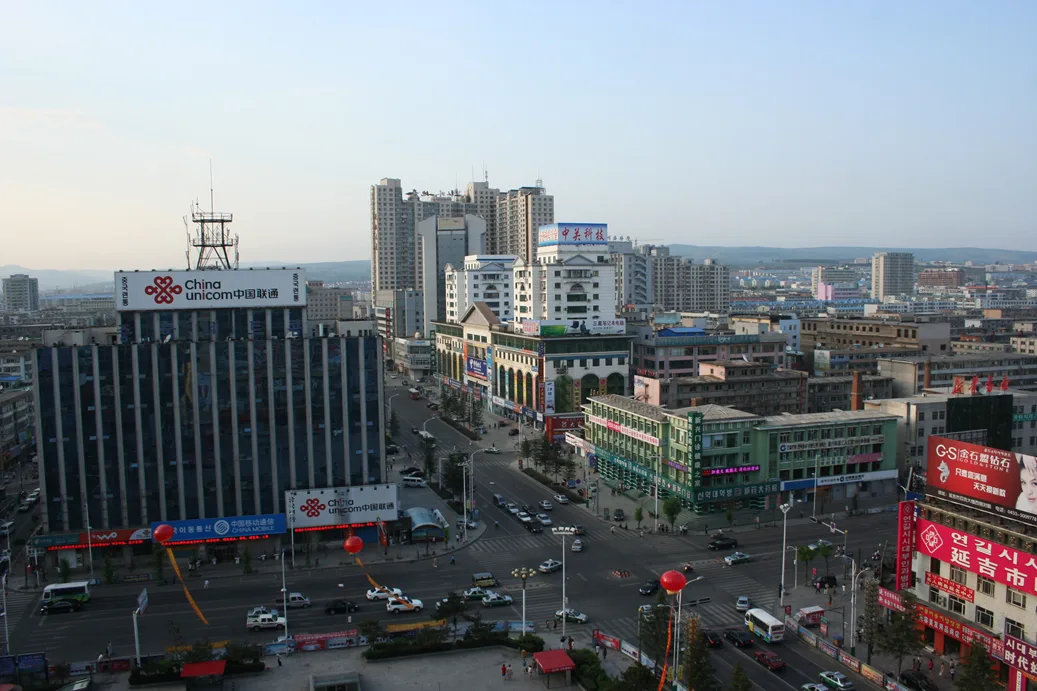
Yanji rests in the mountain basin flanking the northern slopes of Mount Changbai, where the Buerhatong and Yanji rivers wind through the valley. As the capital of the Yanbian Korean Autonomous Prefecture, the city preserves Korean linguistic traditions, architecture, and culinary heritage. Curved tile eaves and whitewashed walls enclose traditional ondol heated floors that combat sub-zero mountain winters. Morning riverside markets steam with blood sausage, glutinous rice cakes, and fermented kimchi, while cold noodle shops press dark buckwheat noodles directly into icy beef broth.
What to see
China Korean Folk Village reconstructs heritage tile-roofed homesteads and traditional performance courtyards; Mao'ershan National Forest Park offers panoramic timber boardwalk trails over the river basin; the Morning Floating Market hosts hundreds of traditional food stalls; West Market operates as the premier regional trading bazaar for fermented specialties; Yanbian University's vibrant bilingual neon facade highlights regional cultural fusion.
What to eat
Yanji naengmyeon presses fresh buckwheat noodles into chilled beef broth with shaved ice flakes, topped with spicy kimchi, sliced braised beef, hard-boiled egg, and sweet apple slices for a refreshing sweet-tart chew; dolsot bibimbap crisps rice against red-hot stone bowls topped with wild mountain herbs and gochujang chili sauce; samgyetang slow-simmers young chicken stuffed with ginseng, sticky rice, and jujubes; dried pollock is shredded and tossed in fiery chili oil; freshly pounded glutinous rice cakes are dusted in toasted soybean powder.
Getting here & around
The Changchun-Hunchun Intercity High-Speed Rail serves Yanji West Station, reaching Changchun in two hours. Yanji Chaoyangchuan International Airport operates flights to Beijing, Shanghai, Qingdao, and Seoul. Taxis and city buses reach the Folk Village and Mao'ershan in twenty minutes.
Choose a neighbourhood
Each area offers a different side of the city. Pick one to explore at your own pace.
Korean Folk Village & Ondol Compounds
A cultural enclave preserving curved tile eaves, thatched roofs, and traditional underfloor heating systems, hosting folk dance performances.
Strolling through courtyard swing sets in traditional silk attire and inspecting the flue systems of ancient ondol rooms.
Buerhatong River Floating Market & West Market
The morning hub of local trade along the riverbanks, where vendors prepare fresh pounded rice cakes and fermented condiments at sunrise.
Sipping steaming beef bone broth with blood sausage at dawn, and browsing hundreds of kimchi variations at West Market.
Yanbian University Campus & Bilingual Quarter
The cultural quarter surrounding Yanbian University, celebrated for towering multi-story bilingual storefront neon signage.
Photographing the famous neon-lit bilingual facade at dusk and dining on freshly pressed buckwheat cold noodles.
Yanji Buckwheat Cold Noodles in Chilled Beef Broth
In Yanji's noodle halls, naengmyeon remains the uncontested centerpiece in summer heat or sub-zero winter. The defining quality of Yanji cold noodles begins with fresh pressing. Buckwheat flour, wheat flour, and potato starch are kneaded into stiff dough and loaded into a mechanical lever press that forces noodles through micro-holes directly into boiling water. Rinsed immediately in ice water to strip excess starch, the noodles acquire an elastic, chewy texture. Served in chilled stainless-steel bowls, they are drowned in clear broth simmered from beef bone and fruit, dotted with floating ice crystals and topped with spicy kimchi, beef slices, and crisp apple.
Wind-Dried Pollock with Chili Dip and Ginseng Chicken
Yanji's cuisine embraces bold, fiery heat. Along the Tumen River basin, sub-zero winter winds and dry sunlight transform fresh pollock. Hung on wooden drying racks across mountain valleys, the fish freezes and thaws through the season, curing into golden, fiber-dense dried pollock. Shredded by hand along the grain, it is dipped into a fiery sauce blended from red chili flakes, garlic, soy sauce, and sesame oil. In contrast, cold winter evenings call for samgyetang: whole young spring chickens stuffed with fresh Jilin ginseng roots, sticky rice, and red jujubes, simmered until meat drops effortlessly from the bone.
Korean Folk Village Ondol Architecture and Gayageum Music
Wandering through the Korean Folk Village in Yanji, traditional courtyard homes step gently up the valley slope. The hallmark of Korean vernacular architecture is its buoyant hip-and-gable roofs curving upward at the corners above whitewashed walls. Stepping inside requires removing shoes before walking onto polished wooden platforms warmed by the ondol system. Fire from low kitchen stoves channels hot smoke through subterranean stone flues beneath the floor, radiating warmth before exiting through detached chimneys. Inside, elders in vibrant silk chima jeogori strum the twelve-stringed wooden gayageum, filling the snow-swept courtyard with lyrical mountain melodies.